How to Choose the Right Amish-Made Barn for Your Property
- wabashvalley
- Dec 1, 2025
- 4 min read
Are you looking to add charm and functionality to your property? An Amish-made barn could be the perfect solution. Known for their high-quality craftsmanship, these barns can serve a variety of purposes: from storage and workshops to unique living spaces. However, choosing the right barn requires thoughtful consideration. This guide will walk you through the essential factors to help you make an informed decision that suits your needs.

Understanding Your Needs
Before exploring barn options, it's essential to clarify your primary purpose for the barn.
Will it be used for agricultural activities, as a workshop, or simply as a decorative feature?
By identifying your main use, you can more effectively narrow your choices. Here are some questions to consider:
What space requirements will you have?
What materials do you envision for your barn?
Are there specific design elements you prefer?
Taking a moment to answer these questions can help streamline your selection process.
Assessing Available Space
With a clear idea of your needs, the next step is assessing the area available on your property.
Measure the designated location for your barn. Take into account the following factors:
Footprint and Surroundings: Consider not just the actual space the barn will occupy but also how it fits into the landscape.
Zoning Regulations: Verify if there are any regulations or property lines that could impact construction.
Accessibility: Think about whether you will need a path or driveway to the barn.
Understanding your available space will help you choose a barn that integrates well with your property.

Choosing the Right Size
Size matters when it comes to selecting an Amish-made barn.
Barn options range from small to large, and your choice will depend on your intended use and the space available. For instance:
If you're planning to store equipment, a large barn (e.g., 24x36 feet) may be necessary.
A compact barn measuring around 12x16 feet might work perfectly for a small workshop or garden storage.
Remember to factor in extra space for future needs, as it can save you time and costs later on.
Material Considerations
Amish barns are celebrated for their quality materials, which affect both their durability and appearance. When considering materials, here are some common options:
Wood: Traditional Amish barns are typically made from wood like cedar or pine. Cedar is known for its resistance to decay and can last up to 30 years with proper maintenance.
Metal: For a modern aesthetic, metal barns are a strong choice. They often require less maintenance and are designed to endure harsh weather.
Composite Materials: Barns made of composite materials can offer the benefits of both wood and metal, providing aesthetic appeal without compromising strength.
Weigh the pros and cons of each material to see what best suits your needs.
Design and Aesthetics
The design of your barn should enhance your property and reflect your personal tastes.
Amish barns are available in a variety of styles, from classic to contemporary. Consider:
Architectural Compatibility: Ensure the barn aligns with the style of your home and other buildings.
Color and Features: Think about color choices and features like windows, doors, and roofing styles.
A well-designed barn not only adds beauty but can increase your property value by up to 10%.
Customization Options
An essential perk of Amish-made barns is the opportunity for customization. Many builders allow you to tailor the barn according to your specific needs. Customization can include:
Adjusting the size or layout.
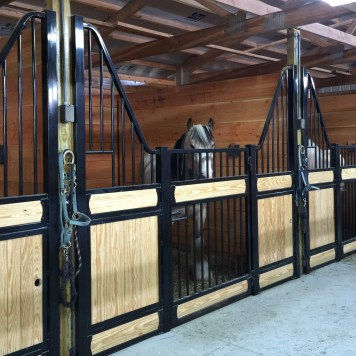
Adding features such as lofts, stalls, or workspaces.
Be sure to discuss your ideas with the builder to explore all available options. Customizing helps ensure that the barn meets your functional needs while fitting your vision.

Budgeting for Your Barn
Establishing a budget is a vital step in the barn selection process. The costs of Amish-made barns can vary widely, influenced by size, materials, and customization. For example:
A simple, smaller barn can start around $5,000.
More elaborate structures with higher-grade materials may run upwards of $25,000.
Consider the total cost of ownership: while an initial higher investment may seem daunting, the long-lasting craftsmanship of an Amish barn can lead to savings on repairs. Planning for maintenance costs will also ensure you remain within budget.
Finding a Reputable Builder
Choosing the right builder is just as crucial as selecting the barn itself. Look for Amish builders known for quality work and customer satisfaction. You can:
Read online reviews.
Ask for references.
Visit previous projects if possible.
Finding a reputable builder can ease the design and construction process, and they can provide advice tailored to your specific needs.
Maintenance and Care
Once your barn is constructed, maintaining it is essential for longevity. Different materials come with unique care requirements. For instance:
Wooden barns should be inspected regularly for rot or insect damage, ideally every six months.
Metal barns will need occasional cleaning to prevent rust buildup.
Consult with your builder on proper maintenance techniques to ensure your barn remains in excellent condition.
Final Thoughts
Choosing the right Amish-made barn for your property is a decision that requires careful thought and planning.
By understanding your needs, evaluating your space, and considering materials and design, you can make an informed choice that enhances your property for years to come.
Remember to budget wisely and select a reputable builder for a smooth construction experience.
With the right barn, you can enjoy the charm and utility of an Amish-made structure that enriches your property.

Built to Last. Crafted with Care.
Every barn, garage, cabin, shed, coop, run-in, and stall we build is made with premium materials and handcrafted by skilled Amish craftsmen. Quality you can trust. Durability you deserve.

Comments